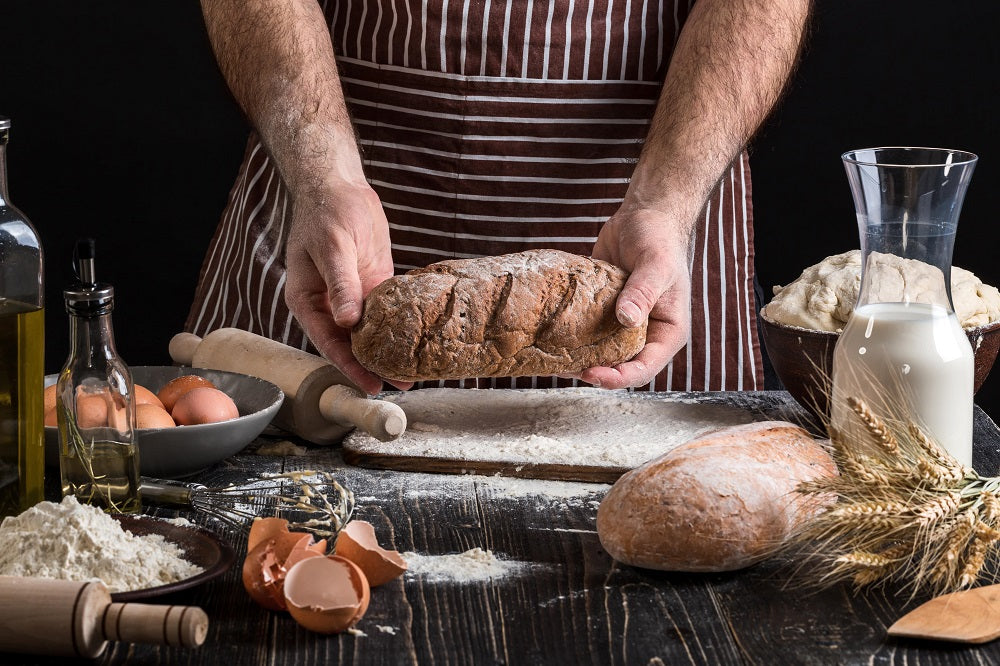
There’s something magical about the smell of freshly baked bread wafting through your home. Whether you’re a seasoned baker or an enthusiastic beginner, making bread from scratch connects you to an age‑old craft and rewards you with warm, tactile comfort. In this post, we’ll explore the history of bread, the difference between sourdough and yeast breads, essential tools and ingredients, a step‑by‑step guide to your first loaf, troubleshooting tips, and finishing touches for that picture‑perfect crust.
A Brief History of Bread
Origins and Evolution
Bread is one of humanity’s oldest prepared foods, dating back over 10,000 years. Early civilizations in Mesopotamia and Egypt discovered that wild yeasts in the air could leaven simple mixtures of ground grains and water. Over millennia, techniques spread and diversified—giving us everything from the flatbreads of the Middle East to the crusty sourdough of San Francisco.
Cultural Significance
In many cultures, bread is more than sustenance—it’s symbolic of community and sharing. From the French baguette to Indian naan, every region has its signature loaf. By baking at home, you tap into this rich global tradition.
Sourdough vs. Commercial Yeast Breads
Commercial Yeast (Instant or Active Dry Yeast)
-
Pros: Predictable rise time, straightforward recipes, less hands‑on maintenance.
-
Cons: Flavor tends to be milder; quicker fermentation misses some of the depth of taste.
Sourdough (Wild Yeast Starter)
-
Pros: Complex, tangy flavor; natural leavening; improved digestibility.
-
Cons: Requires maintaining a starter, more planning for long, slow fermentation.
Many home bakers start with a simple yeast loaf and graduate to sourdough once they’re comfortable with kneading, proofing, and shaping.
Comments
Post a Comment